
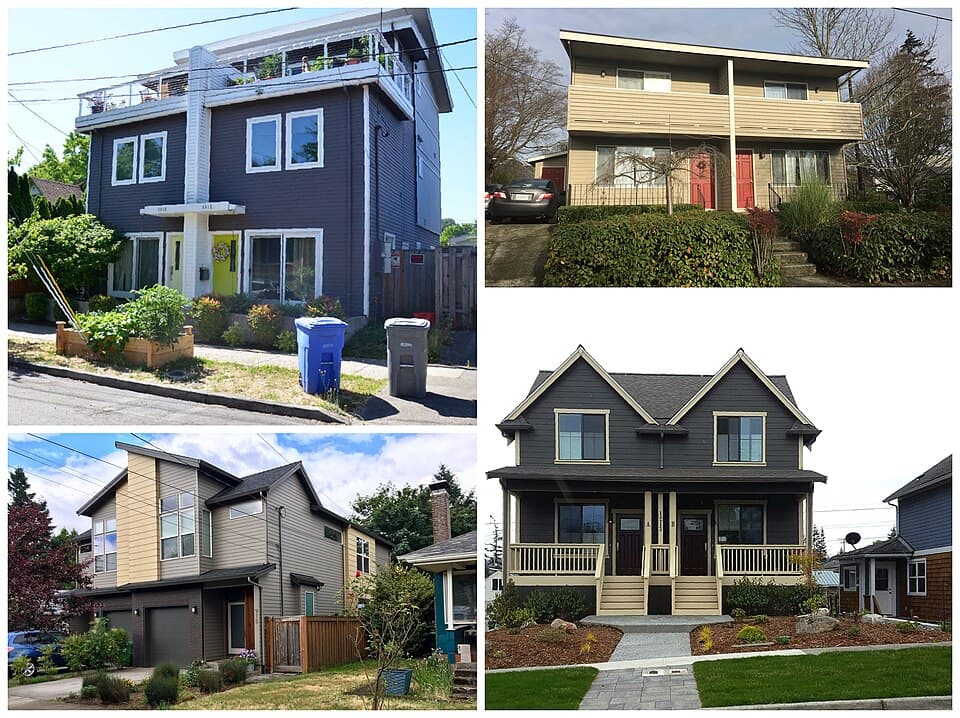
Yes. A first-time buyer can buy a duplex, triplex, or fourplex in Orlando and the surrounding area, as long as you live in one of the units. It's the path I walk many of my first-time clients through. Here is how the financing rules work, what the real costs are, and what to check before you make an offer.
The Short Answer: Yes, If You Live in One Unit
FHA-insured mortgages can be used to buy 2- to 4-unit properties, with down payments as low as 3.5% (HUD, CFPB). The catch is occupancy: you have to live in the property as your primary residence, and FHA rules call for moving in within 60 days of closing. Conventional loans can also cover 1- to 4-unit homes (Fannie Mae), with different down payment and credit requirements, so it is worth having a lender price both options for you.
What FHA Financing Requires
Mortgage insurance is required on every FHA loan (CFPB). That includes an upfront premium of 1.75% of the base loan amount, plus an annual premium that is added to your monthly payment (HUD). Loan limits also apply. For 2026, HUD set the nationwide FHA floor for a single-unit home at $541,287 (HUD Mortgagee Letter 2025-23). Limits for 2- to 4-unit properties are higher than the single-unit figure, and your lender can confirm the exact number for the county where you're buying.
Duplex vs. Triplex vs. Fourplex
A duplex is the simplest starting point. Three- and four-unit properties add a self-sufficiency test on FHA loans: the net rental income has to be at least equal to the projected monthly mortgage payment, including taxes and insurance (HUD). That test is the reason many first-time buyers begin with a duplex, and move up to a triplex or fourplex on a later purchase once they have a landlord track record.
How the Numbers Work: A Hypothetical Example
This is an illustration with round numbers, not a market price or a quote. Say a duplex costs $450,000. A 3.5% down payment is $15,750. The base loan is $434,250, so the 1.75% upfront mortgage insurance premium is about $7,600, which can be added to the loan instead of paid in cash. Your monthly cost is then principal, interest, taxes, homeowners insurance, and the monthly mortgage insurance premium. Subtract the rent you can realistically collect from the other unit, after allowing for vacancy and repairs, and you have your true out-of-pocket housing cost. We run this exact math on real listings before you commit to anything.
What to Check Before You Make an Offer
Look at the rent the other unit can realistically earn, not the rent the listing claims. Ask for existing leases and whether the tenant will stay. Get a real homeowners insurance quote for the specific property, because Florida premiums vary a lot by roof age, construction, and location. Have the roof, plumbing, electrical, and A/C inspected, since one big repair can eat into the rental offset. And confirm whether the units have separate utility meters, which affects who pays what.
Where This Works in Central Florida
Kissimmee, Haines City, and Saint Cloud tend to have the most accessible duplex inventory, with real rental demand behind it. Orlando and Winter Garden can work too, depending on what's listed. We'll look at what's on the market together and compare the numbers side by side before you choose an area.
Your Next Step
Start with a conversation with a lender who does FHA multi-unit loans, so you know your real purchase range. Then we'll match that range to duplexes that make sense. Loan rules and limits change, so treat this guide as a starting point and confirm the current terms with your lender. Nothing here is financial or legal advice.